How to Clean Goalkeeper Gloves: The Complete Guide for Keepers & Clubs

A professional cleaning and care guide for all goalkeepers — from academy players to semi-pro keepers and club teams.

Keeping your goalkeeper gloves clean is essential for performance, grip, durability, and hygiene. Whether you’re a weekend player, a semi-professional keeper, or managing equipment for a club team in Europe or the US, properly maintaining your gloves can dramatically extend their lifespan and improve your match-day confidence.

In this comprehensive guide, you’ll learn how to clean goalkeeper gloves the right way, avoid common mistakes that destroy latex, and establish a maintenance routine trusted by professional keepers worldwide.
As a manufacturer-backed brand, Defendkeeper designs its gloves to deliver optimal grip and durability — and proper cleaning ensures you get the best performance match after match.

⭐ Why Cleaning Goalkeeper Gloves Matters

Goalkeeper gloves are made from natural German latex, a soft and high-performance material that provides grip but requires care. Dirt, sweat, and synthetic turf particles can quickly break down latex if not cleaned properly.

1. Better Grip — Especially on Match Days

Clean latex provides better tackiness and ball control. Dirt acts as a barrier between the ball and the glove.

2. Longer Lifespan

Dirt particles and sweat salt can break down latex, reducing durability. Regular cleaning prevents premature wear.

3. Odor & Bacteria Control

Sweat and moisture create an ideal environment for odor-causing bacteria. Cleaning eliminates unpleasant smells.

4. Professional Image

Whether you’re an academy player or representing a European club, clean gloves show professionalism and discipline.

⭐ When Should You Clean Your Goalkeeper Gloves?

Different levels of keepers follow different routines:

✔ Academy Players (Youth & Training Squads)

Clean after every 1–2 training sessions to protect latex.

✔ Semi-Pro Keepers

Clean after every session when possible, especially before matches.

✔ Clubs & Teams (Equipment Managers)

Implement a weekly cleaning cycle for training gloves and a dedicated routine for match gloves.

General Rule:

If your gloves look dirty, they are already losing grip. Clean them as soon as possible.

⭐ How to Clean Goalkeeper Gloves Properly (Step-by-Step)

This step-by-step method works for any professional goalkeeper glove, including German latex models like Defendkeeper Pro Grip Series.

Step 1 — Rinse with Lukewarm Water

Use water between 30–35°C (86–95°F).

  • Avoid hot water — it can weaken latex.

  • Avoid cold water — it won’t remove dirt effectively.

  • Gently open the gloves to allow water to penetrate the palm.

GEO Tip:
In colder European climates, gloves may need a slightly longer soak.

Step 2 — Use GK-Safe Soap (or Plain Water)

Never use:

  • detergent

  • washing powder

  • dish soap

  • bleach

  • fabric softener

These chemicals cause latex to crack and dry.

Instead:

  • Use a goalkeeper glove wash OR

  • Clean with plain lukewarm water, which is effective for light dirt.

Why?
GK-specific cleaners are pH-balanced for latex — particularly important for soft German latex used in brands like Defendkeeper.

Step 3 — Gently Rub Dirt Away by Hand
  • Do not squeeze aggressively.

  • Do not twist or wring the gloves.

  • Use your fingers to gently work out dirt from the palm and seams.

Remember:

The softer the latex, the gentler you must be.

Step 4 — Rinse Thoroughly

Remove all soap. Any residue can stiffen latex once dry.

Rinse until the water runs clear.

Step 5 — Press Out Water (Never Twist)

Press the gloves palm-to-palm to push water out.

Do not twist.
Do not wring.
This damages latex bonding and internal foam.

Step 6 — Dry the Gloves Naturally

Correct Drying Method:

  • Store in a cool, ventilated room

  • Avoid direct sunlight

  • Avoid heaters or radiators

  • Avoid drying machines

Direct heat causes:

  • cracking

  • separation of latex layers

  • loss of grip

  • shrinking

Ideal drying time:
24–48 hours, depending on climate.

GEO Note:
In humid climates (e.g., UK, coastal Europe), drying may take longer. Use airflow rather than heat.

⭐ How to Deep Clean Goalkeeper Gloves (For Heavily Soiled Gloves)

If your gloves have:

  • turf pellets

  • mud

  • sweat buildup

  • odor

Use this deeper cleaning method:

✔ Step 1 — Soak for 15–20 minutes in lukewarm water

Allows dirt to loosen.

✔ Step 2 — Use a glove cleaner or mild baby shampoo

Do NOT scrub.

✔ Step 3 — Gently rub the palm with a microfiber cloth

This removes stubborn dirt without damaging the latex.

✔ Step 4 — Rinse thoroughly

Repeat until water runs clear.

⭐ How to Remove Bad Smell from Goalkeeper Gloves

Recommended methods:
  • Add a few drops of white vinegar to a soak (kills bacteria naturally).

  • Use a goalkeeper disinfectant spray after drying.

  • Always dry gloves fully before storing.

Never use perfume or deodorant sprays on gloves — they damage latex.

⭐ What NOT to Do When Cleaning GK Gloves (Common Mistakes)

❌ Washing gloves in a machine

They will tear or delaminate.

❌ Using a hairdryer, radiator, or heater

Destroys latex grip permanently.

❌ Leaving gloves in a football bag overnight

Moisture + bacteria = odor + mold.

❌ Using chemical detergents

Cracks latex.

❌ Scrubbing palms with a brush

Removes the grip layer.

These mistakes are responsible for 90% of glove damage, especially on soft match latex

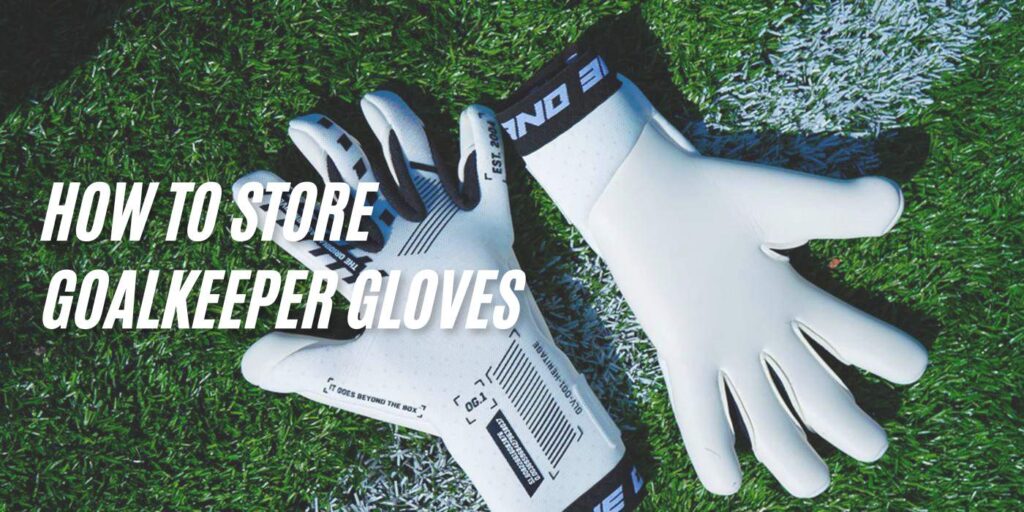
⭐ How to Store Goalkeeper Gloves After Cleaning

Storage is just as important as cleaning.

✔ Keep gloves slightly moist when stored

Dry palms crack over time.
Use a GK glove wallet or seal in a breathable pouch.

✔ Keep match gloves and training gloves separate

Match gloves should be kept:

  • cleaner

  • softer

  • fresher

Training gloves take more damage, so do not mix.

✔ Store in a cool, dry place

Avoid car trunks, wet locker rooms, or direct heat sources.
⭐ Maintenance Routine for Different Player Types

For Academy Players (Youth Keepers)
  • Clean every 1–2 sessions

  • Use training gloves for turf

  • Rotate at least 2 pairs

For Semi-Pro Keepers
  • Clean immediately after training

  • Use glove cleaner regularly

  • Keep match gloves pristine — avoid warm-ups on artificial turf

For Clubs (Equipment Managers)
  • Implement a weekly cleaning cycle

  • Label player gloves

  • Use club-approved cleaning agents

  • Follow consistent drying/storage standards

Defendkeeper partners with multiple European clubs and provides bulk glove maintenance guidance, ensuring gear longevity across entire squads.

⭐ How Defendkeeper Gloves Are Designed for Easier Cleaning

Defendkeeper’s German latex and upgraded palm structure are engineered to be easier to clean and maintain, meaning:

  • Dirt doesn’t penetrate as deeply into latex pores

  • Grip rejuvenates quicker after cleaning

  • Internal foam dries evenly without shrinking

  • All models use reinforced seams to withstand multiple wash cycles

Glove series like Defendkeeper Pro Grip, Hybrid Cut Elite, and Aqua Control Series use premium materials developed specifically for performance and durability — when paired with proper care, they last significantly longer than average market models.

⭐ FAQs About Cleaning Goalkeeper Gloves

Q1. Can I clean my gloves after every match?

Yes — recommended for best grip.

Q2. Can I put gloves under the sun for a quick dry?

No. UV light breaks down latex.

Q3. Should gloves be stored wet?

Moist, not wet. Lightly damp palms maintain grip texture.

Q4. Do white latex gloves require special care?

They show dirt more easily but clean the same way.

Q5. How long should goalkeeper gloves last?

Depends on:

  • training frequency

  • pitch type

  • proper cleaning

With correct maintenance, Defendkeeper gloves last 2× longer than untreated gloves.

⭐ Final Tips for Long-Lasting Goalkeeper Gloves

  • Clean immediately after use

  • Dry naturally

  • Never leave them in your bag

  • Separate match and training gloves

  • Use glove cleaner on soft German latex

  • Store properly in a glove wallet

And most importantly:

Clean gloves = better grip = better performance.

⭐ Conclusion

Goalkeeper gloves are your most important tool as a keeper — and caring for them properly not only protects your investment but also directly improves your performance.

Whether you’re an academy keeper learning the fundamentals, a semi-pro preparing for your next league match, or a European club managing equipment for dozens of players, this cleaning guide provides everything you need to maintain grip, durability, and hygiene.

With premium German latex construction and reinforced durability, Defendkeeper gloves deliver top-tier performance when cleaned and maintained correctly.

Leave a Comment

Your email address will not be published. Required fields are marked *

Shopping Cart
Scroll to Top